Commercial Waste in Chelmsford

Commercial waste in Chelmsford needs a tidy, reliable approach when businesses want regular collections, one-off clearances, or help separating recyclable material from general refuse. We provide a service built around practical commercial needs, with options that suit offices, shops, hospitality venues, light industrial units and other workplaces that produce mixed waste streams. The aim is straightforward: keep disposal organised, reduce disruption, and make the process easier to plan around normal trading hours.
Our service can cover a wide range of business waste from everyday black bag waste to bulky items and segregated recyclable material, depending on what is being removed and how it needs to be handled. Where different waste types are involved, it helps to sort them sensibly so the collection can be carried out efficiently and in line with the site’s own arrangements. Business waste removal is a useful place to start if you want to understand the core service offered for workplaces in the area.
If you are planning a collection, pricing and quotes can help you think through the details that affect the work, while a plain-text enquiry is also fine if you prefer to ask for a quotation first. We keep the process focused on what needs removing, how much there is, and the access available on site, so the request stays clear and easy to review.
Routine collections for workplaces and mixed commercial waste
Commercial waste handling is often simplest when the collection plan matches the day-to-day pattern of the business. Offices may need removal of paper, packaging and general refuse; retail settings often generate cardboard, display packaging and damaged stock; hospitality premises can produce food-related waste, containers and other mixed items. A well-organised collection method helps keep these materials moving out of the building without crowding back-of-house areas or storage rooms.
For many customers, the most useful arrangement is a recurring service built around predictable volumes. That can make waste easier to manage between visits and reduce the need for ad hoc clearances. If you have confidential papers that need separate handling, confidential shredding is a relevant option to review alongside other business waste arrangements. For wider site clearances, the main distinction is usually whether the waste is routine, bulky, or made up of a specific material that needs separate disposal.
What is usually included in a commercial collection
Commercial work can involve a broad mix of items, so it is useful to think in terms of categories rather than single objects. Typical examples include bagged rubbish, packaging, obsolete office items, shelving components, shop fittings, broken stock, non-hazardous bulky waste and loose material gathered during a clear-out. A clear description of the main waste types makes it easier to decide which service page or collection route is the best fit.
- General refuse collected from daily trading activity
- Cardboard, paper and other recyclable business waste
- Bulky items from storerooms, offices or customer-facing areas
- Mixed clear-out waste from refurbishments or relocations
Bulky items, fixtures and commercial clear-outs
Some business waste is not suited to ordinary bagged collection because it is larger, heavier or more awkward to move. That is where a more considered clearance approach becomes useful. Desks, shelving, counters, reception furniture, broken office equipment and other bulky items can usually be handled as part of a commercial clearance if they are described clearly in advance. The more accurately the load is described, the easier it is to plan safe loading and the right vehicle space.
There are also situations where a business wants to clear an area before a move, refurbishment or storage reorganisation. In those cases, the collection may include a mixture of waste and reusable items that need to be removed efficiently rather than sorted on the spot. If the work includes chairs, tables or storage units, furniture clearance is a useful related service page, while larger or heavier items may also fit more specific disposal routes such as furniture disposal where appropriate.
When a more targeted disposal route helps
Some businesses have items that are better handled separately from the main waste stream. Office chairs and desks can sit alongside general clear-out material, but appliances, mattresses, and certain bulky household-style items brought onto commercial premises for staff areas or accommodation may need more specific consideration. That is why it helps to match the service to the actual item type rather than describing everything as a generic clearance. More focused routes can keep the collection straightforward and avoid confusion on the day.
Office waste and workplace clearances
Office waste removal is often about keeping routine operations tidy while removing outdated items in a controlled way. Workplaces may need help with paper archives, packaging, redundant stationery, broken monitors, worn seating, unwanted cabinets and general clutter from storerooms or unused rooms. The process is usually easier when the items are grouped by type and the site has a clear route for collection, especially in shared buildings or floors with limited access.
For a workplace with several waste streams, the practical question is often whether the material is simply being collected or whether it needs to be separated before removal. Cardboard and paper are usually easier to manage when they are kept distinct from general rubbish, and a few minutes spent organising those categories can make the collection more efficient. If your business is looking at a fuller office clear-out, office clearance gives a clearer picture of the work involved. For broader arrangements involving regular commercial waste, the core service remains focused on keeping the site clear and workable.
Helpful preparations for office collections
Two things make office collections run more smoothly: a short description of the items and a sensible note on access. You do not need a long explanation, but it helps to say whether the waste is in one room, spread across several floors, already bagged, or made up of loose bulky items. If there are lifts, loading bays, narrow corridors or time restrictions, those details are useful too because they affect how the collection is organised.
Photographs can also be helpful where there is a mixed load or several item types, especially if you want a quotation that reflects the likely amount of work. Keep the request simple: what needs removing, how it is stored, and whether the collection is one-off or ongoing. That gives enough context for a sensible quote without turning the enquiry into paperwork.
Recycling, sorting and responsible disposal choices
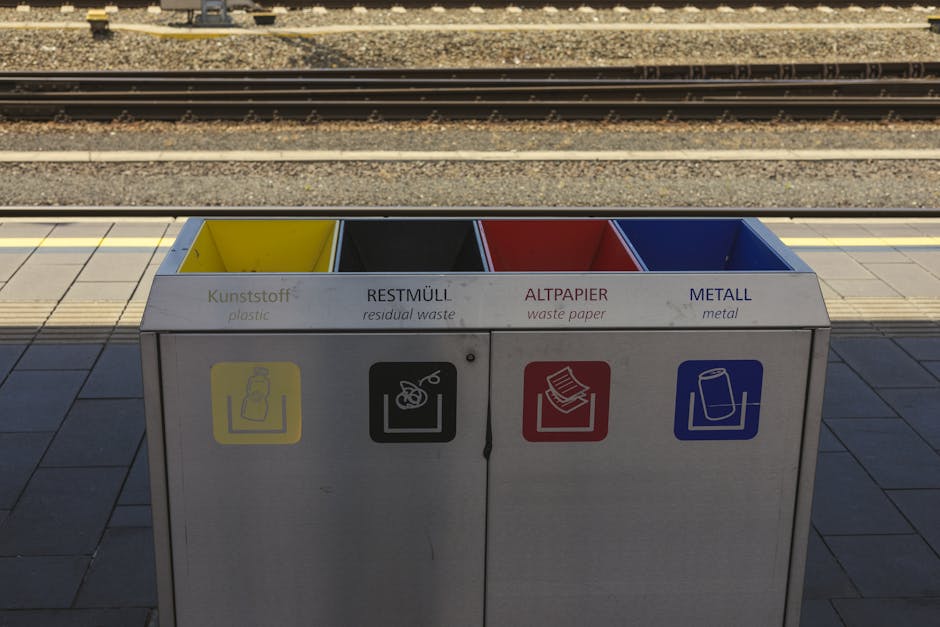
Not every commercial waste collection is just a matter of taking everything away together. Many businesses want a sensible balance between convenience and responsible disposal, so the sorting stage matters. Cardboard, paper, metals, certain plastics and other recyclable fractions are often best identified early so they can be handled appropriately. Clear separation can also make it easier for a business to keep records of what leaves the site and in what form.
When waste is mixed, it may still be handled in one visit, but the most useful approach is to describe the contents honestly rather than hoping they all fit under one heading. That includes noting whether there are reusable items, recyclable materials or anything that requires separate disposal. For businesses that want to understand the wider approach to recovered material and diversion from landfill, recycling and sustainability is the relevant page to review. It sits alongside the practical collection work rather than replacing it.
Common factors that affect the work
Commercial waste jobs are usually priced and planned according to the amount of material, the type of waste, the ease of access and whether anything needs separate handling. A room full of bagged office refuse is different from a mixed stockroom clear-out with shelving, fixtures and bulky broken items. By identifying the main factors early, you help the collection be organised in a way that reflects the actual work involved, rather than a guess based on a broad category.
Specialist items and stricter waste streams
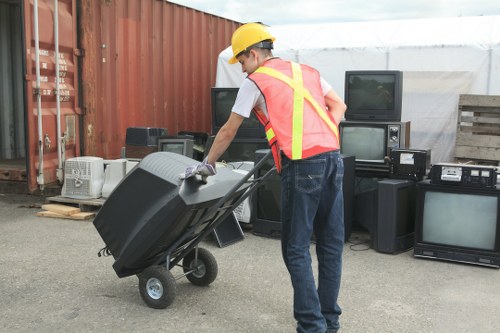
Some business waste cannot be treated as ordinary mixed rubbish because it has to be managed through a more specific route. Fridges, freezers and other appliances can require separate handling from standard office or retail waste, while certain items may be classed as hazardous or otherwise restricted. If you have this kind of material on site, it is better to identify it clearly before the collection so the right approach can be chosen from the outset.
For more specialised items, separate service pages can help you compare the work involved. Fridge and appliance removal is relevant where electrical or cooling equipment needs to go, and hazardous waste disposal is the page to look at when the contents are subject to tighter controls. Businesses sometimes overlook these distinctions when they are focused on clearing space, but proper classification is important because different materials are not always handled in the same way.
Examples of waste that should be described carefully
Items containing fluids, chemicals, sharp components, refrigeration gases or other restricted substances should not be bundled in with ordinary waste without checking the correct route. The same applies to broken electricals and other items that may need dedicated treatment before disposal. A good quotation request does not need legal detail, just an honest description of what the material is, where it is kept and whether it is mixed with anything else. That is usually enough to determine the right next step.
Business premises, access and practical scheduling
Commercial waste collections are often easier to manage when the building layout and access arrangements are understood in advance. Shared entrances, upstairs offices, basement storage rooms, loading restrictions and limited parking can all affect how a collection is carried out. The aim is not to overcomplicate the job; it is simply to make sure the right information is available so the service can be matched to the premises rather than forcing the premises to fit a generic plan.
When a business is arranging a collection, the most useful information is usually concise: where the waste is, how much of it there is, whether it is already grouped, and whether there are any access limits or timed slots. That is generally enough for a quotation request. If you are comparing services for a larger clear-out, builders waste clearance may also be relevant where the material comes from fit-out or refurbishment work, while general waste removal remains the broad route for everyday commercial loads.
For sites where repeated visits are needed, continuity matters as much as the individual load. A clear routine helps avoid overfilled storage areas and makes it easier to decide when a one-off clearance should be added. If you want to move ahead, contact us is the final step for a quotation request, and a plain-text enquiry is equally welcome if you prefer to give the details without using a link.
About Chelmsford
Chelmsford is the county town of Essex and has grown from an early settlement into a sizeable urban centre with a long civic and commercial history. Its identity is shaped by the River Chelmer and the River Can, which meet near the city centre and have influenced both movement and development over time. The town received its market charter in 1199, and its later growth was supported by transport improvements, including the arrival of the railway in the 19th century, which strengthened Chelmsford’s role as a regional hub. The centre combines older streets, civic buildings and contemporary retail and office areas, creating a varied urban character that reflects different stages of expansion.
Domestic-style items in commercial settings
Some workplaces generate waste that looks more like household clear-out material than standard office refuse. Staff kitchens, breakout rooms, accommodation above premises, managed properties and mixed-use buildings can all produce sofas, mattresses, wardrobes, domestic appliances and other bulky items. Those materials often need their own assessment because size, condition and item type can affect how they are moved and disposed of. Where the load is made up of furniture or similar items, matching it to the right service keeps the collection simple.
If your commercial premises include domestic-style items, it can be useful to separate them from ordinary bagged waste before the collection. That makes the load easier to assess and helps avoid confusion on the day. Relevant pages such as mattress and sofa disposal can help with those specific items, while house clearance or flat clearance may be useful where the waste comes from a managed residential element within a commercial portfolio.
Why item type matters more than labels
Labels such as “mixed waste†or “furniture†can be useful at a very high level, but they do not always tell the whole story. A broken reception sofa, a bed from staff accommodation and a stack of office chairs are all bulky items, yet they may be handled differently depending on the overall load. A precise description saves time later and helps keep the quotation aligned with the actual collection rather than a rough guess.
Making a clear quotation request
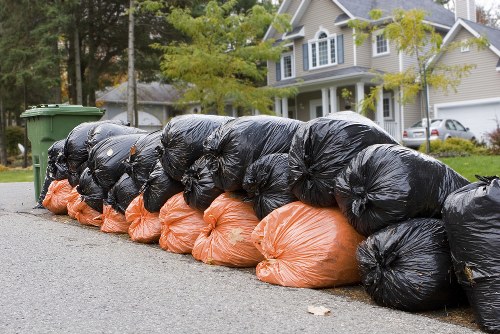
A good quotation request for commercial waste should be direct and complete enough to describe the job properly. Include the main waste type, approximate volume, access details, the location within the premises and whether the collection is a one-off or part of an ongoing arrangement. If there are mixed items, it helps to state the main categories rather than using a single broad label. That gives a clearer basis for pricing and reduces the chance of follow-up questions.
For businesses that are ready to move ahead, a short enquiry is usually enough to start the conversation. If the waste includes equipment, furniture, paperwork or restricted material, mention that clearly so the right route can be suggested. Book online is available for customers who prefer to make a straightforward request through the website, while the plain-text option remains the simplest route if you want to ask for a quotation in your own words.
Whether you need routine collections or a single larger clearance, the commercial waste service in Chelmsford is built around practical removal and clear communication. Tell us what needs to go, and we can help shape the next step. Request your quotation today.