Complaints Procedure for Commercial Waste Chelmsford
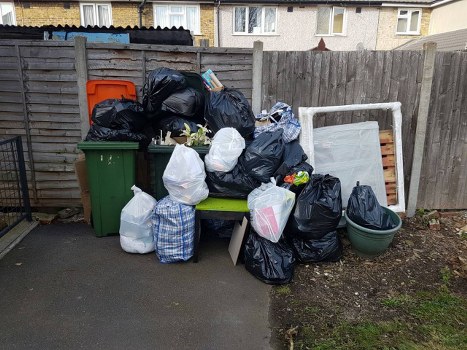 Purpose and scope: This Complaints Procedure sets out how complaints relating to commercial waste services Chelmsford are handled, investigated and resolved. It applies to all commercial refuse and business waste collection activities provided to customers, contractors and third parties. The procedure focuses on fairness, transparency and timely action while recognising operational constraints. It is not a substitute for contractual dispute resolution clauses but complements them by providing an accessible route to raise service concerns.
What constitutes a complaint
A complaint is any expression of dissatisfaction regarding our commercial rubbish collection Chelmsford operations, including missed collections, contamination issues, damage to property, billing disputes linked to waste services and unacceptable conduct by operatives. Concerns about environmental compliance, health and safety incidents or alleged breaches of licence conditions are also treated as complaints where they relate to the provision of commercial waste services. Routine enquiries, service requests and compliments are managed separately.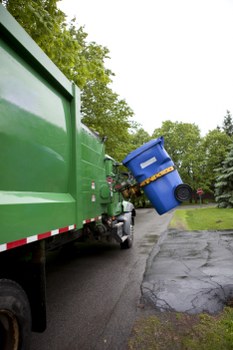 Informal resolution first: Wherever practical, complaints should first be raised with the team directly responsible for the service. Many issues can be resolved quickly at this stage by clarifying expectations, arranging corrective action or scheduling a return collection. We encourage early contact so that operational causes can be identified and remedied. If an informal response does not resolve the matter to the complainant's satisfaction, the complainant may request a formal review under this procedure.
How to submit a formal complaint To commence a formal complaint, the complainant should provide a clear description of the issue, relevant dates, impacted site or service, and any supporting evidence such as photographic records, delivery notes or contractual references. Complaints may be submitted in writing or via the authorised channels specified in customer documentation. Complaints that are malicious, frivolous or vexatious may be managed differently, and the organisation reserves the right to refuse or limit correspondence in such cases.
Acknowledgement and initial assessment
On receipt of a formal complaint the organisation will acknowledge it promptly and carry out an initial assessment to determine the nature, complexity and risk. This assessment identifies whether immediate remedial action is required to prevent environmental harm, mitigate health and safety risk or safeguard property. An initial response will state the expected timescale for a full investigation and the name of the officer managing the complaint, where appropriate. Investigation process: Investigations are proportionate to the complaint's severity and usually include collection of records, interviews with staff, review of vehicle telemetry and photographic evidence, and site inspections where necessary. Findings are evaluated against contractual obligations, regulatory requirements and operational procedures. Where third parties are involved, such as transfer stations or subcontractors, their cooperation will be sought as part of a comprehensive review.
Outcome and remedies Following investigation the complainant will receive a written outcome that explains the conclusions reached, any corrective measures implemented and any remedial offer or service adjustment. Remedies may include re-collection, credit adjustments for service failures, process changes, staff retraining or formal apologies. Remedies aim to restore service standards and address any material loss or inconvenience reasonably attributable to the incident.
Timescales: The organisation aims to conclude standard complaints within a defined period, typically within 15 working days, or sooner where safety or environmental harm is at issue. Complex complaints requiring multiple enquiries or external liaison may take longer; in such cases progress updates will be provided at regular intervals until a final outcome is reached. Complainants will be informed if exceptional circumstances extend expected timescales.
Escalation and independent review: If a complainant remains dissatisfied after the formal outcome, they may request escalation for an internal senior review. The escalation stage is not a rehearing of evidence but an additional appraisal by a senior manager who was not involved in the original decision. Where applicable and available, complainants will be advised of any independent review mechanisms or industry ombudsman arrangements relevant to commercial waste disputes, noting that some contractual disputes may be subject to arbitration or legal processes instead.
 Recordkeeping and confidentiality All complaints and associated records are retained in accordance with data retention policies and applicable regulations. Records include the complaint, investigation notes, evidence gathered, outcomes, and any remedial actions. Personal and commercially sensitive information is treated as confidential and shared only on a need-to-know basis to investigate and resolve the complaint. Data protection rights are respected throughout the complaints lifecycle.
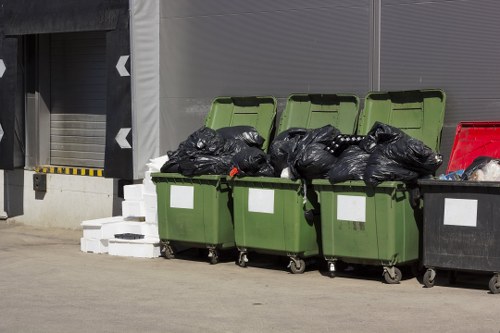 Limitations and exclusions: This procedure does not replace contractual dispute resolution clauses or legal rights. It is not intended for matters that are already subject to court proceedings or formal arbitration unless both parties agree. The organisation is unable to act on anonymous allegations where verification is necessary to investigate operational matters. Complaints solely about competitor operations or matters outside the company's control may be outside scope.
Continuous improvement Complaints are valued as a source of operational learning. Trends and recurrent issues are analysed to improve service delivery, reduce the likelihood of recurrence and enhance the quality of commercial waste management across the service area. Internal audits, staff training and procedural updates are undertaken in response to validated complaints, supporting a culture where issues are addressed constructively and service standards are continually improved.
