Health & Safety Policy — Commercial Waste Chelmsford
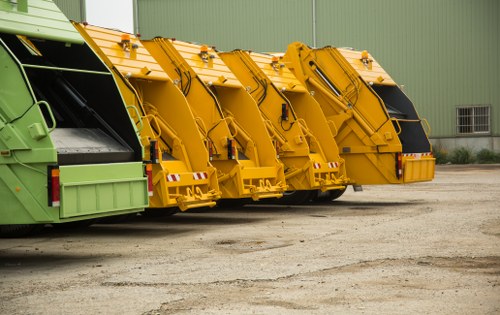 This Health and Safety policy sets out the commitments and systems maintained by our commercial waste operation to manage risks associated with rubbish collection, refuse removal and commercial waste services in and around the service area. The purpose of this statement is to ensure that we operate a robust safety management framework that protects employees, contractors, clients and the public while delivering compliant commercial waste disposal and rubbish collection services.
Scope: This policy applies to all activities including on-site waste collection, container handling, transfer loading, vehicle operations, site-based storage and subcontracted services. Key responsibilities are defined below and apply to all staff and anyone acting on behalf of the business. Core elements include risk assessment, training, equipment maintenance and emergency preparedness.
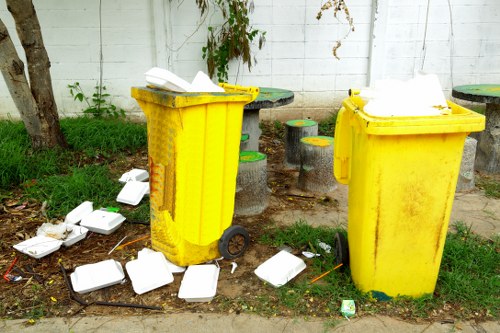 Our approach aligns with legal obligations and recognised industry standards for commercial waste management. We maintain documented procedures for safe working, a programme of regular inspections and a commitment to continuous improvement. Staff are instructed to report hazards and to participate in documented toolbox talks and formal safety briefings as required.
Responsibilities and Governance
Senior management have overall accountability for the health and safety policy. Operational managers are responsible for implementing safe systems of work and for ensuring that all personnel receive appropriate induction and ongoing training. Individual employees are required to follow procedures, use provided personal protective equipment and report any unsafe conditions immediately. Non-compliance with safety procedures may result in corrective action.
Key responsibilities include:
- Carrying out and recording risk assessments for all routine and non-routine tasks.
- Maintaining vehicles and handling equipment to a safe standard.
- Providing suitable PPE and ensuring it is used correctly.
 Training and competence are considered essential. We document induction training for new hires, role-specific instruction for drivers and waste handlers, and refresher training at appropriate intervals. Records of training and qualifications are stored centrally and reviewed as part of management oversight.
Risk Control and Safe Systems of Work
Risk assessments identify hazards such as manual handling, vehicle movements, sharps and hazardous wastes, slip and trip risks, and exposure to biological agents. Controls include task redesign, mechanical aids, segregation of waste types, and clear segregation and labelling of chemical or hazardous refuse. All site-specific procedures are recorded and made available to staff prior to task commencement.
Operational controls for rubbish collection and commercial waste services include pre-shift vehicle inspections, secure loading practices, and the use of suitable containment for potentially harmful materials. Contractors work under permit-to-work systems where applicable, and joint site risk assessments are undertaken when working at client premises.
Waste streams are classified and handled according to established separation and containment rules to minimise environmental and health risks. Emphasis is placed on preventing cross-contamination, preventing litter and spillages, and ensuring safe storage pending transfer or disposal.
Personal protective equipment is provided in line with assessed risks and includes gloves, hi-vis garments, steel-toe footwear and respiratory protection where required. The policy promotes correct PPE selection and care. Supervisors carry out spot checks and documented audits to ensure adherence to PPE standards on all rubbish collection rounds and commercial waste management tasks.
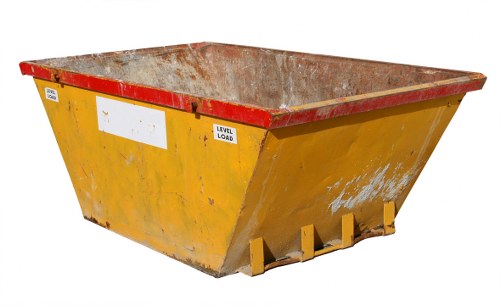 Incident reporting and investigation procedures are maintained to ensure thorough review of any accident, near miss or environmental release. Incidents are recorded, investigated and corrective actions are tracked to closure. Lessons learned are communicated across the organisation to prevent recurrence and to support an open safety culture.
 Monitoring and review: the effectiveness of the policy is reviewed through regular audits, performance indicators, and management review meetings. Key performance measures include incident frequency, audit findings, training completion rates and vehicle/service compliance. The objective is continuous improvement in line with best practice for commercial waste handling and rubbish collection services.
Health surveillance and welfare provisions are available where assessments indicate a risk of occupational illness. Proactive measures for staff wellbeing, safe working hours, and access to suitable welfare facilities are part of our commitment to a healthy workplace. The policy supports rehabilitation and return-to-work processes following any injury or illness related to work activities.
Management review ensures that this policy remains suitable and sufficient. Changes in legislation, industry standards, client requirements or operational scope prompt timely updates. The policy is communicated to staff and made available to relevant stakeholders, reinforcing the obligation to maintain safe systems for commercial waste management.
In summary, the policy commits to providing a safe working environment for all involved in rubbish collection, recycling and commercial waste services. Through defined responsibilities, risk-based controls, training, monitoring and a culture of reporting and improvement, the organisation seeks to minimise harm and comply with its legal and moral duties.
